What are the difficulties in dental chairs design?
When you were a kid, were you scared of the dentist? In fact, dentists are not terrible either. Dentists use dental chairs during examinations. Although dental chairs look simple, their design also presents challenges. What are the specific difficulties?
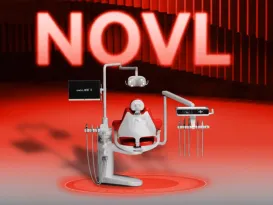
The dental chair is mainly used for inspecting and treating oral surgery and oral diseases. Currently, electric dental chairs are most commonly used. The main structure is divided into 8 parts. The bottom plate of the machine is fixed to the ground and connected to the upper part of the dental chair through a bracket. The control switch on the back of the chair controls the dental chair's operation. Its working principle is: turn the switch to start the motor and drive the transmission mechanism, moving the corresponding parts of the dental chair. Depending on treatment needs, manipulating the control switch button allows the dental chair to perform ascending, descending, pitching, tilting, and resetting movements.

Design difficulties: hygiene and environmental protection. According to epidemiological data, cross-infection problems in oral diagnosis and treatment are serious in my country. The hepatitis B infection rate among dentists is 3-6 times that of ordinary people; the HBV positivity rate among dentists is 25.8%, and the overall HBV contamination rate in dental handpieces is 62%. Therefore, preventing cross-infection from dental equipment is an important consideration in dental chair design.
Dental chair design focuses on convenience, comfort, safety, and more. Mid- and high-end chairs generally offer a variety of personalized operating procedures, and different treatment positions can be set based on the physician's individual habits.