What Is an Integral Dental Unit? Key Components and Functions
“Dental chair” and “dental unit” refer to different parts of the equipment. The dental chair supports and positions the patient, while the dental unit combines the chair, instrument delivery, controls, and supporting systems.
In this guide, Cingol explains what an integral dental unit is, the purpose of its main parts, and how those parts appear in specific CINGOL X3 and X5 models.
What Is Integral Dental Unit?
An integral dental unit means a coordinated dental treatment assembly that combines the patient chair with instrument delivery and associated control and support equipment.
The patient chair is one component of that assembly. Its seat, backrest, and headrest provide support and allow positioning. Depending on its configuration, the wider dental unit also handles instrument connections, lighting, and water delivery.
When purchasing dental units, you can choose accessories and digital features based on your specific needs.
Key Components of Integrated Dental Unit
Patient Chair
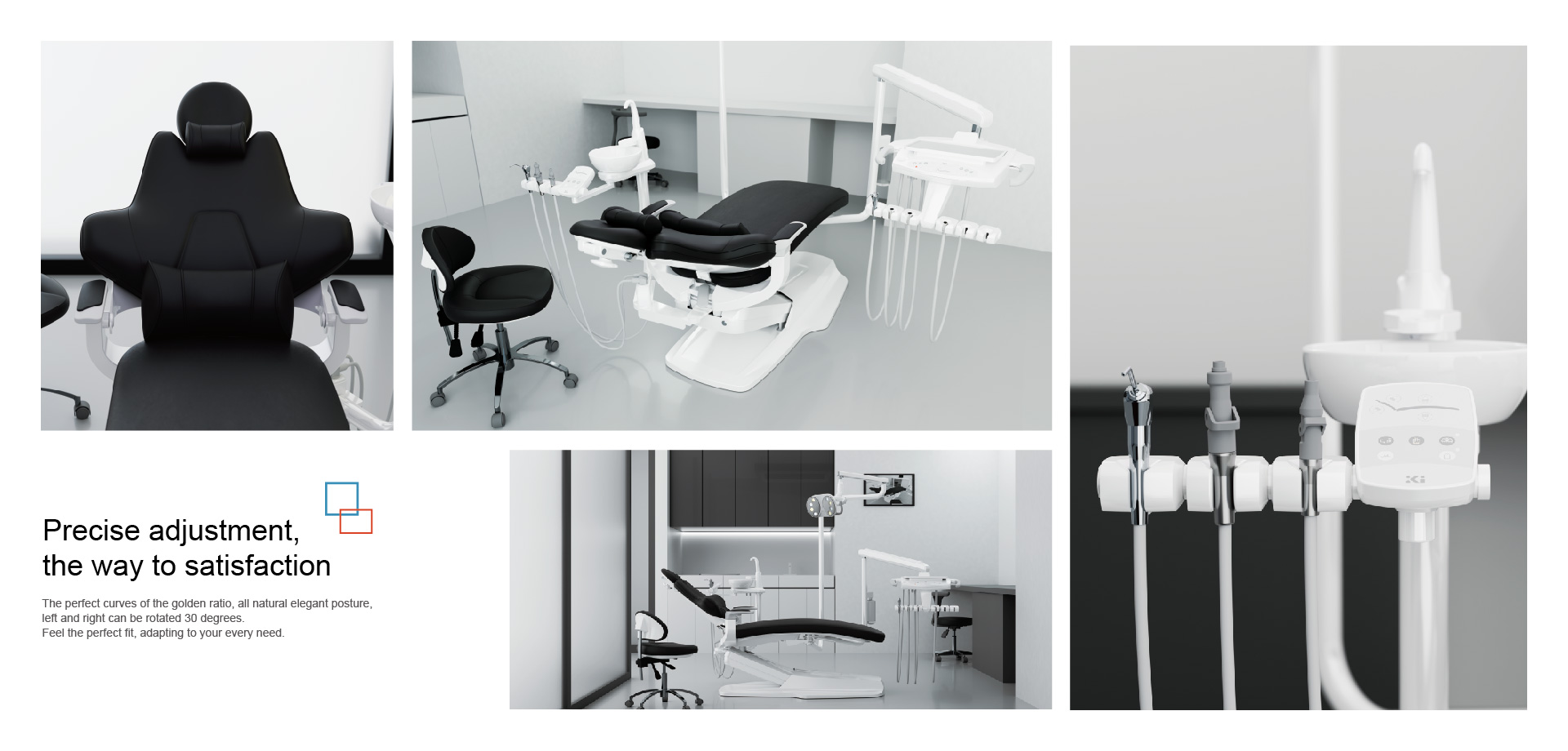
The chair includes patient-support surfaces and the mechanism that adjusts their position. The headrest supports the head, while the backrest and seat form the main support structure. At Cingol, adjustment ranges and available controls are customized.
Dentist and Assistant Elements
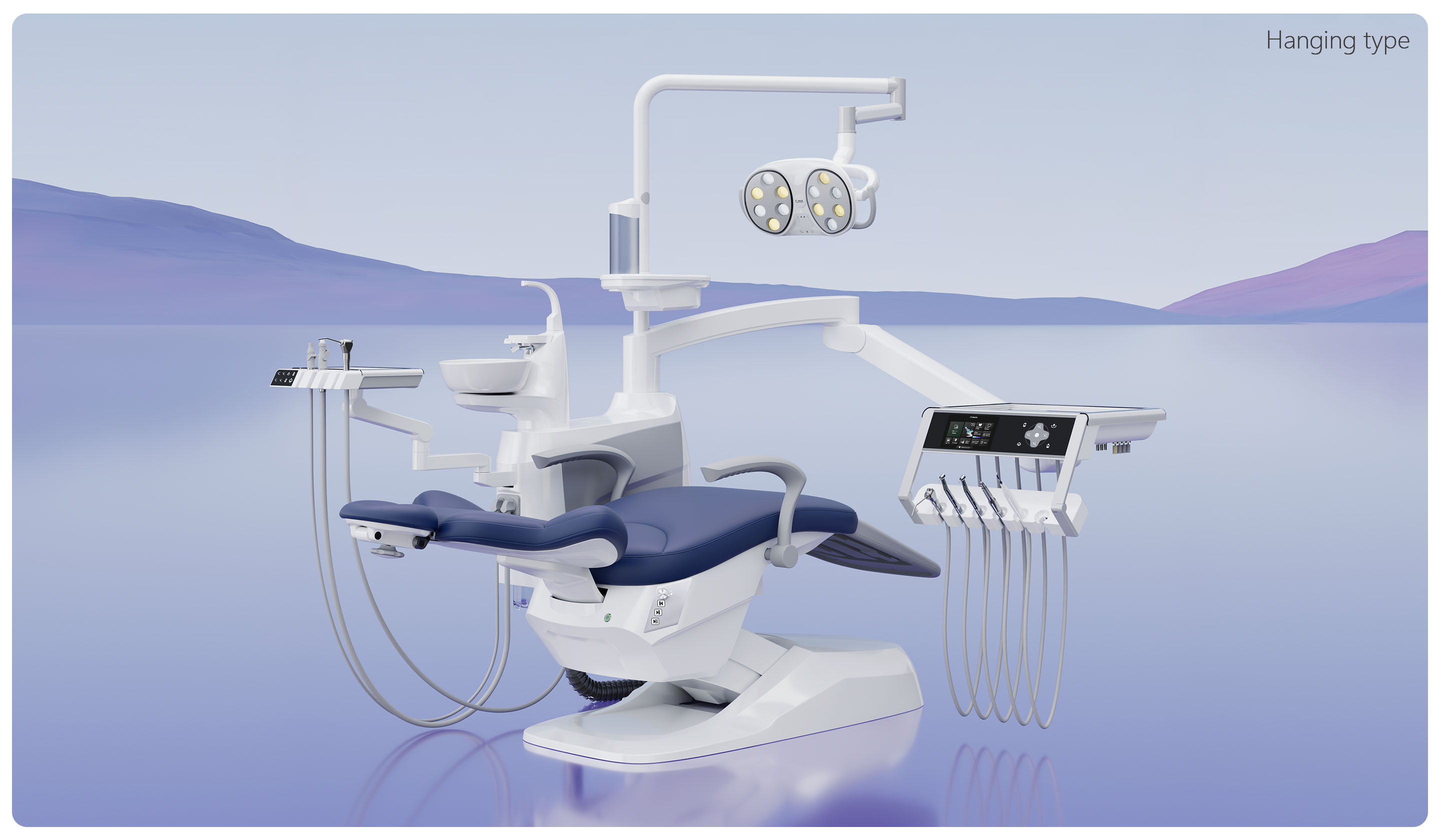
The dentist element carries instrument holders, connections, and operating controls. The assistant element provides a separate set of holders or controls for supporting equipment. These assemblies should be distinguished from the instruments attached to them: an instrument position, hose, and handpiece are separate items.
Operating Light and Water Unit
The operating light illuminates the treatment area. A water unit may incorporate a cuspidor, cup filler, and related water functions. In the CINGOL X3 standard configuration, the manufacturer lists an LED light, water tanks, cuspidor flushing and cup filling, together with main and assistant trays.
Foot Control Unit
The primary function of a foot control unit is to enable hands-free operation of dental equipment and the dental chair. It typically offers five key functions:
- Operation of dental handpieces: Controls the start/stop functions and rotational speed of high-speed or low-speed handpieces (with stepless speed adjustment based on the degree of pedal depression).
- Control of water and air: Regulates cooling water, water spray, and air-blast functions for handpieces or the three-way syringe.
- Adjustment of the dental chair: Controls the elevation of the chair, the tilt of the backrest, or the selection of preset positions (e.g., for treatment or rinsing).
- Control of suction systems: Activates or deactivates oral suction or saliva ejector functions (supported on certain models).
- Auxiliary communication and multimedia functions: Some advanced foot controls allow for tasks such as capturing images, switching between software programs, or controlling multimedia features.
In practice, the specific commands that can be executed depend on the particular model.
What Are the Main Functions?
Chair Positioning and Position Memory
Chair controls adjust the patient-support assembly. Where position memory is provided, stored settings allow a selected position to be recalled. The number of memories and the movements included in a preset vary by model; a memory function and manual adjustment controls are separate features.
Instrument Control
Instrument controls operate the functions supported by the fitted equipment. Depending on the unit, these controls may be accessed through a panel, touchscreen or foot control. The interface is the means of operation; the connected instrument determines which instrument functions are available.
Water Delivery and Suction
Water delivery and suction perform different tasks. Water is supplied to designated outlets, while suction removes fluid through the suction instruments. A cup filler and cuspidor flush are separate functions.
Understanding Standard Equipment and Optional Features
Standard equipment is the set supplied with a defined product configuration. Optional equipment is selected separately for that configuration. Read an equipment list at the component level. For example, one dental unit standard page lists high- and low-speed handpiece tubing. That wording describes connections; it does not establish that the handpieces themselves are supplied.
For digital features, identify both the physical interface and the functions enabled on it. A touchscreen does not, by itself, establish voice control or compatibility with other devices.
Integral Dental Units in the CINGOL X3 and X5 Series
CINGOL X3 Disinfection Integral Dental Chair
The X3 Disinfection Integral Dental Chair features nine patient-position memories, a top-fill water arrangement, a cleaning position, and a return function that restores the chair to its previous position after rinsing.
These features address different parts of the unit: stored positioning concerns chair control, top-fill concerns access to the water supply, and position restoration concerns a defined movement sequence.
CINGOL X5 NEW Integral Dental Unit
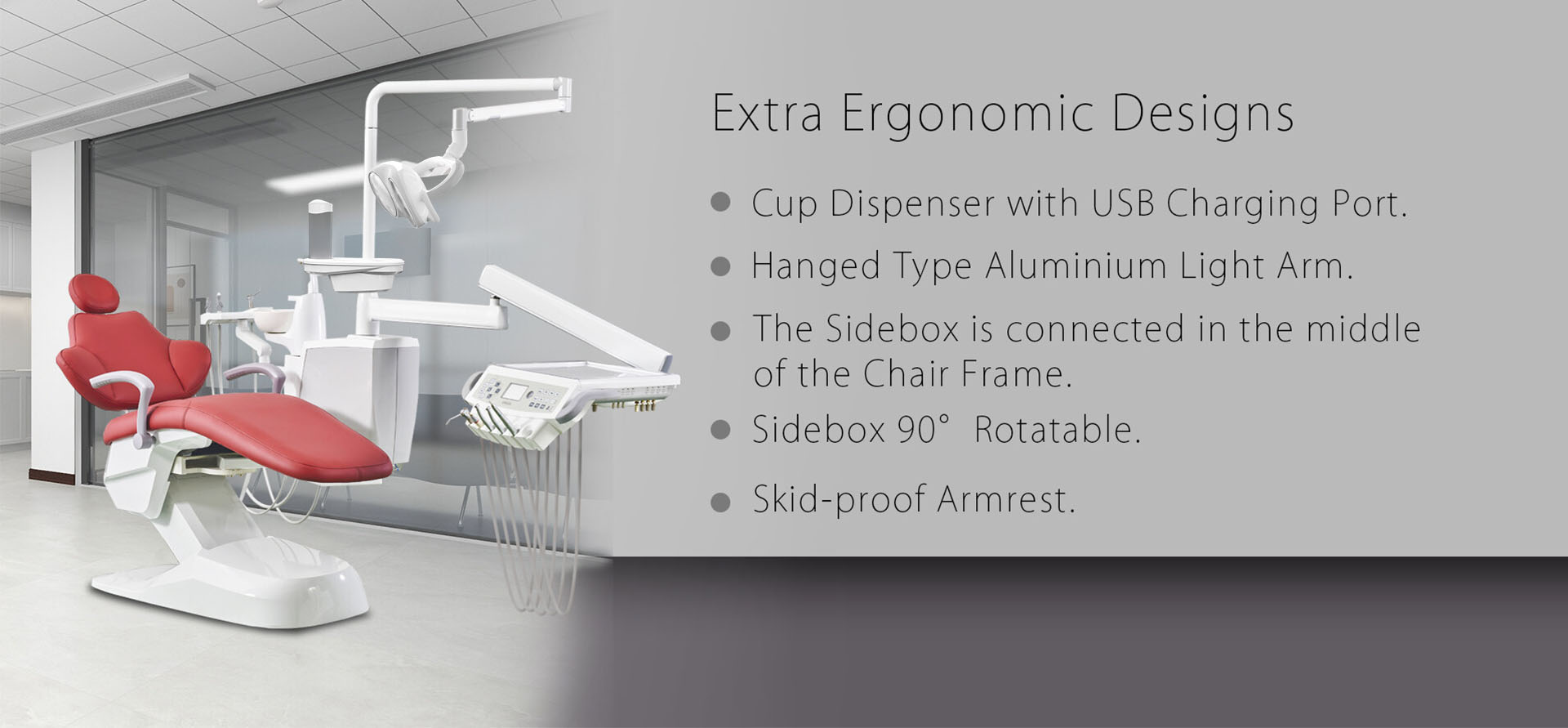
For the X5 NEW Integral Dental Unit, CINGOL describes the Ark System with touchscreen control of the chair and instruments, plus voice interaction. These are control-interface features of the named model.
The X3 and X5 examples show why the assembly type and the feature list should be read separately. Both product names identify integral models, while their individual pages describe particular functions.
Want to explore a specific CINGOL integral unit? Request its current component list and function description from Cingol using the full model name.